Total concentration on her work is the lot of Champions, one thing is uncomfortable: she can be trained. Here are five tips to help you train your brain and become more collected:
Are you talking The inner monologue during the race perfectly improves your performance. A recent study published in the journal Medicine and science found that a positive attitude allows the body to stay toned longer. The signs that our body uses to determine the degree of fatigue have a complex structure – not only the muscles, but also the brain participating in their training. Choose yourself a Mantra “I feel good”, “fast and easy” or another similar Mantra and repeat it periodically during training or competition to give you extra energy.
Make ” five more” Athletes need to strengthen their mind in the same way that they strengthen their body. Teach yourself to work when there is no desire can be as follows: force yourself to do “five more”. It can be an additional five minutes of maximum recovery at the end of a hard workout, an additional five repetitions, five tasks per fraction or five minutes of performing a difficult task. The purpose of the exercise is to train attention and improve the ability to concentrate on work.
Meditate Another way to improve concentration is meditation or”inclusion”. The process of managing our attention is similar to the process of managing anxiety. Force yourself to focus on the present moment, do not let other thoughts distribute to you what is really happening, do not let the negative experience interfere with your current cause. Start with five minutes of meditation a day.
Eat well Sugar and coffee in moderate doses help your brain to concentrate. In fact, caffeine is the only doping allowed and effective in sports. It has a stimulating effect, increases attention, gives a sense of satisfaction. It also increases endurance. Make sure that your brain receives the necessary Nutrition in time. Do I drink coffee in the morning before the race?
Enjoy the fight The best athletes love wrestling as much as the finish. Concentrate on the difficulty of fighting. Visualize the process of how you will cope with this, accept the challenge with joy, make sure that the more difficulty you will have, the more pleasant the victory will be.
When you are young, it seems that you will be strong, beautiful and healthy forever, and youth will last forever. However, years pass, and it turns out that the accumulated fat began to spoil the figure, and the movements did not become as fast and accurate, and the diseases begin to make themselves felt. Alas! Nature tells us that youth has passed, and this understanding comes most clearly when you ” hit ” 40.
It is then that many of us decide to fight to preserve youth and health, and this is very expedient, because it is at this age that the aging processes have already begun in the body: vision and hearing decrease, diseases make themselves felt, the functions of internal organs are not so active, muscle mass decreases.
But the decision to take courses to restore the body is made, it remains to understand what is better to do at this age. It is clear that high jump is hardly worth trying to bring back youth, but swimming, walking, easy running, cycling will have the most positive effect on your body. However, they are not suitable for everyone because of existing diseases and contraindications. It should be noted that after 40, independently move to a new level of physical exertion is not worth it at all.
And yet, for those who want to look good and feel in themselves, strength and health are the solution. This is the physical condition, but here you need a medical consultation or training under the guidance of an experienced coach. In any case, fitness requires the application of certain rules.
First of all, it is necessary to clearly formulate the goals that prompted you to exercise: depending on them, the emphasis will be on training a particular muscle group with the harmonious development of the whole body.
Do not immediately give large loads, as this will cause unpleasant sensations and pulling pains in the muscles, although they will pass quickly enough.
You need to start classes with a warm-up, which allows you to put all muscle groups in a working State; this is facilitated by walking, transition to running, as well as light jumps and other exercises.
Do not try to get a beautiful figure and good health for 1-2 weeks, uncontrollably increasing the load, which, instead of benefits, can lead to serious injuries.
Remember that each exercise should be repeated 10-15 times, then take a break for at least 1 minute, and it is necessary to alternate exercises on different muscle groups and the amount of load.
When doing exercises, learn to breathe “correctly”. How to do it, says the coach.
And most importantly-be patient and do exercises not only in training, but also at home. Then you will get the desired result.
Success in the gym, as in all aspects of life, comes with an understanding of the fundamental basics. Now it’s fashionable to try something new, exotic, unusual, but all the techniques of work have long been invented. We invite you to familiarize yourself with the basic principles for beginners, which are applicable in many sports. Do not waste time discussing “this cool new sports supplement”, do not bother with exquisite Nutrition plans. Just follow these six truths and you will get the result.
Focus only on the long term Most people train by keeping short-term goals in their heads. This is not exactly the right approach. Do you understand the difference between short-term and long-term?
your goal is not to lose / gain 10 kg in three months. Your goal is to restore and try to maintain your health throughout your life.
your goal is not 150 kg in the bench press. Your goal is to become the guy who never misses a workout.
your goal is not to sacrifice everything for the best result in the spring. Your goal is to become more sporty next year. And even more sporty in a year.
avoid thinking about short-term results. Look at things wider and all these intermediate outcomes will come by themselves.
Important Point: stop behaving as if a healthy lifestyle was something exceptional. You can go to exercise regularly. That’s normal. She’s not a victim. Is not an obligation. That’s normal.
Focusing on the long term, you will notice positive changes as you go. Seeing these results, you will realize that everything is fine.
You need a training schedule Many people do it irregularly, because they try to think about what not to think at all. When should I come to the room next time? Here are the typical reflections of the modern spoiled man:
will I have enough motivation to train when I come home after work?
will I have enough free time to practice today?
do I have enough willpower to get up early, have time to do everything and leave time for the room?
It turns out that in our time, workouts need to be motivated and inspired. How about you stop considering sports as something that stands out in everyday life and make it part of life, part of your plan for the day? Make a training plan and follow it. This is a very important point that distinguishes a beginner from a professional. This distinguishes a person who seriously approaches things from a snowdrop who comes to the hall a few times before the beach season.
Many of those who attend the gym do it three times a week. This is enough. I will therefore go into the chamber on Tuesday, Thursday and Saturday. At 19 H. Saturday you can and early. Here’s my schedule. Now I do not need to think about choosing a day for training. I’m not sitting and waiting for a surge of motivation. I have everything planned, and visits to the simulator are inscribed in the plan for the day. Just as you take into account the travel time between work and work. It’s very simple and there is nothing special here.
The training schedule becomes even more important when difficult periods begin in life. It happens to everyone, it is part of our being. You may need to skip a workout. The schedule will remind you of the next missed workout. Without a schedule, you can wake up knowing that you have not been in the room for four weeks.
The quirks of life can derail. This happens even with world-class professional athletes. The main thing is that they return to training anyway. Did you miss Thursday’s class because of work? According to the schedule, the next workout is Saturday. I’ll see you in the room.
With a calendar, you will be the only one managing your life, and not the abstract level of your motivation.
Focus on the basic exercises Too often in the hall there are people of “modest” physique who try to pump the outer head of the biceps in isolation in the absence of the biceps as such. Something from this can come out, but in general (and especially for beginners) there is a simple truth: it is necessary to focus on the most complex basic exercises, involving as many muscle groups as possible. Push-up and push-up are not only revealing exercises and the only exercises of modern weightlifting (before 73 year there was still a bench press). The whole body is working on it. Doing at least these two exercises, you will achieve incredible results.
As a basis, you can advise such exercises:
bench press
deadlifts
squats with dumbbells
push
jerk
sweater
soil pumps
push-UPS on the uneven bars
twisting on the press
As an option, this set can be supplemented with a few slightly more specific options, but you need to remember the main thing: exotic isolated exercises do when a good foundation is already formed, there is muscle mass and it is necessary to give it a more correct and aesthetic appearance. Read again the example above on the biceps.
Hurry – people laugh For many people, “exercising well” means either very intense training, or subsequent muscle pain, or training for failure.
This could be commendable. Desire and ambition in sports-just wonderful, but to begin with it will be useful to create a certain Foundation, a foundation.
Almost everyone in the room seeks to reach weight limits as quickly as possible, and this is a very big mistake. At the initial level, you need to give your body time to get used to new activities, learn to cope with the gradually increasing loads. Accelerate a little and you will not get any injuries and pain.
Failure training is a good way to exhaust yourself, but do not build a solid foundation at first. At the end of each workout (and each exercise), you need to leave the strength for a few more repetitions, focusing on a gradual but stable progression.
This principle works in any exercise. For example, you do a dumbbell lift on your biceps. At the first workout, you need to gain very little weight. Master with the exercise, adjust the technique. With light weight, it is easier to do. Next week, slightly increase the weight. You will always be easy and this is normal. Your muscles, joints and ligaments will thank you again. It’s been a few weeks now and you are still lifting weights with which you have no difficulty. All this time you are increasing your potential. And in one of the weeks you feel that the growing weight on the bar was given to you hard, but you confidently managed it — this is at the expense of the accumulated potential. And you have a margin of safety and strength to progress further, after all, you were not engaged until failure (that is, you could do more repetitions).
Progressive weekly Progression This must be emphasized. People regularly go to the hall, do the same exercises with the same weight and do not feel any gain in strength. There are runners who do daily races on the same distance, but do not achieve success in losing fat mass.
Explaining the essence of this error can be a simple thought experiment. You’re in a quiet room. Suddenly the fan turns on. It’s quite noisy and this sound irritates you tremendously. But time passes, and the seemingly so catchy and loud sound is already perceived as a background noise. You practically stopped noticing it. Your brain concluded “” apparently, this is normal for a given environment. So I won’t pay much attention to it.»
In the case of training, the same thing happens. You ran 2 km. then another 2 km. and another 2 km. the body believes that such a load is the norm, and adapts to it, and quickly enough. In the simplified model, that is, without taking into account the factor of change in Nutrition, the disappearance of the dynamics of physical activity leads to the stabilization of body weight and strength indicators.
Want to see the progress every week? Make progress in your workouts every week. There are many options, but the rule is one: gradually increase the load. You will not be able to add 10 kg per week to the bar for a long time. Your potential will not live up to your impatience. At the same time, progress is not only ensured by increasing the working weight. You can increase the number of repetitions or approaches. You can reduce the rest time. There are many options — Google will tell you.
Keep a workout diary What can be counted can be controlled. How will you comply with the previous rule if you can not remember the indicators of the previous training?
Muscle fatigue (fatigue) is considered a limiter of sports performance. Its origin is multifactorial, but it has been accepted that fatigue involves ATP depletion, muscle damage and increased production of reactive oxygen species (ROS), resulting in a state of oxidative stress. In general, fatigue negatively affects the production of force, and in the case of cycling, pedal force, power output and cadence are disturbed. Repeated sessions of heavy physical exertion lead to a state of cumulative fatigue, in which the ability to develop effort is reduced, and for the quadriceps muscles, recovery after fatigue can take up to 3 days.
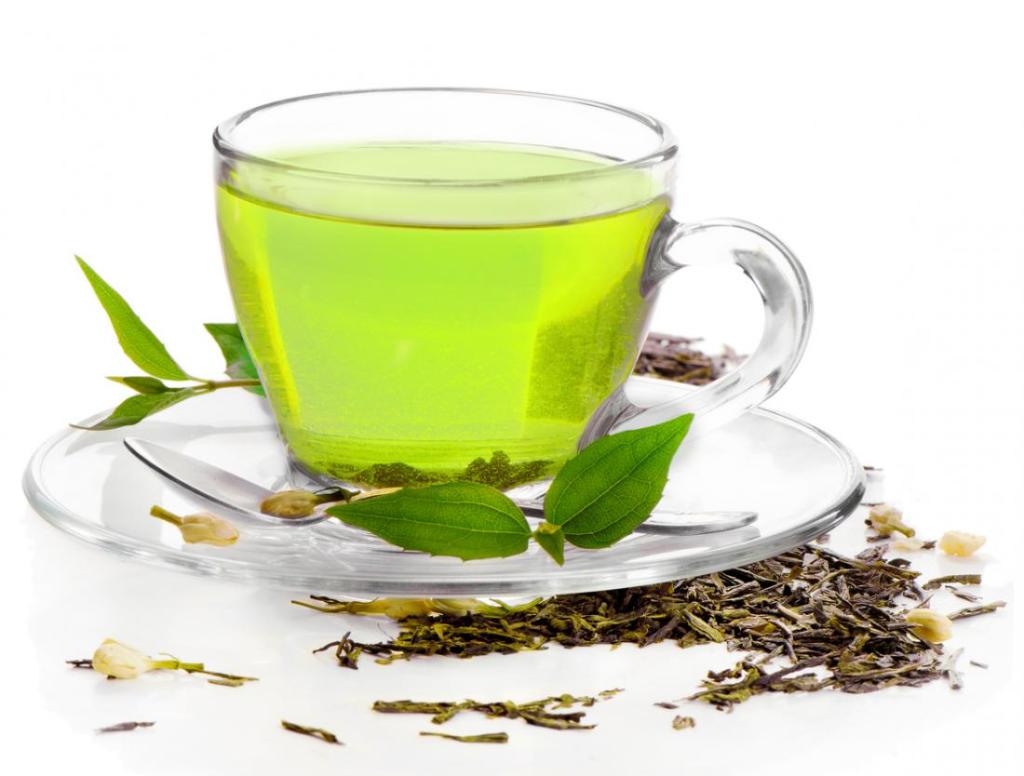
In addition to the acute (one-time) effects of fatigue on performance, consistent exercise sessions in a state of fatigue can lead to poor performance during training and competitions. Conditions of cumulative fatigue can also increase the risk of injury and promote negative psychobiological adaptations. However, there are many situations in which athletes have no choice but to maintain performance in case of fatigue. Therefore, strategies to minimize the impact of fatigue on performance during repeated exercise sessions are of interest to both coaches and athletes. A realistic strategy to achieve this goal is to promote faster recovery after exercise. Green tea to fight fatigue
In this regard, supplements with natural products attracted the interest of athletes of different levels of competition. Whereas in fatigue and its impact on
performance during repeated exercise sessions, significant participation has oxidative stress and muscle damage, there is great interest in supplements with antioxidants such as green tea extract (GTE) from Camellia sinensis. GTE is rich in polyphenols, including epigallocatechin gallate, epicatechin, epigallocatechin, and epicatechin gallate, which lead to high antioxidant (antioxidant) activity. Previous studies have shown that GTE supplementation can reduce oxidative stress and help improve maximum oxygen uptake during cycling until exhaustion. In addition, GTE can reduce muscle pain resulting from eccentric exercise and reduce markers of muscle damage after eccentric training, intense aerobic exercises, and strength exercises. In this case, no similar effect was found when a single dose of GTE was taken before intense muscle endurance tests. Study of the effects of green tea extract on muscle damage
The effects listed for GTE supplements taken regularly on muscle damage and oxidative stress suggest that GTE could be an effective strategy for maintaining performance during repeated periods of exercise resulting in cumulative fatigue. To solve this question, a study was conducted (triple blind versus placebo, a control experiment) described herein, whose main purpose was to determine whether the addition of green tea extract (GTE) from Camellia sinensis reduced muscle damage and oxidative stress in subjects trained athletes consistent victims of exercise sessions, leading to кумулятивному to fatigue, whether it contributes to the preservation of neuromuscular function.
Sixteen trained amateur male athletes were randomly assigned to a completed GTE Group (500 mg of extract / day-one capsule per day, before breakfast with a glass of water) or placebo consumed for 15 days. The effects of supplementation were tested in repeated submaximal cycling trials on a bicycle ergometer at 60% of maximum output power, performed after the cumulative fatigue protocol of the hip extensor muscles. Cumulative fatigue is defined here as the condition tested after the end of the Knee extension Training until complete exhaustion for two consecutive days before the submaximal cyclic test. Green tea extract reduces muscle damage
Muscle damage and oxidative stress showed lower amounts in response to fatigue after adding GTE. The placebo group showed altered neuromuscular activity and higher muscle damage (creatine kinase level – CK plasma) and oxidative stress (lipid peroxidation by – products-TBARS) compared to the GTE group in cumulative fatigue cycling trials.
Cardiovascular responses evaluated on the basis of heart rate showed that the GTE group had a lower heart load (HR) than the placebo group. Green tea supports neuromuscular interaction
Neuromuscular activation of vastus lateralis left (LVL) of participants in the placebo group showed a significant deterioration in the state of fatigue. Fatigue had an impact on the extent of neuromuscular activity assessed from Mean square values demonstrating a decrease in neuromuscular activation at the end of fatigue training in the placebo group, but not in the GTE group.
Thus, the addition of GTE showed a positive effect on neuromuscular function in response to the state of cumulative fatigue. He suggests that the addition of GTE could serve as a strategy to improve and maintain performance under conditions of cumulative fatigue. Finding
“Green tea extract supplementation before a cumulative fatigue event minimizes muscle damage and oxidative stress in trained athletes. Green tea extract also has a positive effect on neuromuscular parameters associated with muscle activation and muscle fatigue. Therefore, supplements can be considered the right strategy in the context of a competitive endurance sport, where the goal is to prevent a decrease in performance,” summed up the researchers.
If you remove white bread from your diet and fill it with rye bread rich in fiber and whole grains, your brain can begin to work better, which is especially important in old age. Such conclusions can be drawn by mentioning a small experiment conducted by Swedish researchers from Lund University on half a dozen subjects. Research on the benefits of rye bread for the nervous system
The researchers gave 19 healthy, non-smoking subjects aged 20-33 a meal with rye bread every night for 3 days. This rye bread consisted of 85% whole grains of rye and 15% white flour. Another time the subjects were given a dinner with white bread for 3 days. With each of the two meals, the subjects received 50 grams of starch from the bread. In the morning after the evening rest, the researchers determined the concentration of BDNF in the blood of the subjects. BDNF (brain-derived neurotrophic factor) is a brain neurotrophic factor that keeps brain cells young and viable while stimulating them to form new compounds. From the first day after the first evening meal with rye bread, the researchers saw more BDNF in the subjects ‘ blood in the morning than the day after the evening meal with white bread.
This situation remained changed throughout the experiment, which lasted 3 days. Mechanism of influence of rye bread substances on neurotrophic factors
“It has been suggested that one of the underlying mechanisms of promoting the health benefits of glucose tolerance and appetite regulation, rye wholemeal bread, is related to intestinal fermentation of dietary fiber and the manufacture of intestinal fatty acids”, write the researchers. “Thus, a 30% increase in plasma butyrate content and a 10% increase in plasma acetate and plasma propionate content were observed on an empty stomach after taking whole-grain rye bread the day before in the evening, compared with evening meals of white bread.(*)
Plasma butyrate, acetate and propionate are products of bacterial fermentation of dietary fiber, which are short-chain fatty acids. They are of great importance for intestinal and maternal health, incl.regulate the level of BDNF.
“…it has been shown that the administration of sodium butyrate can regulate BDNF levels in the frontal cortex of the brain ” (**)
With respect to the intestinal microbiota, previous observations showed that BDNF concentrations were lower in whole-grain-free mice than in controls, and it was concluded that the intestinal microbiota plays a role in increasing BDNF levels in the brain. In addition, another study in animals showed that probiotic Nutrition (FructoOligoSaccharides and galactooligosaccharides) increased BDNF expression […], indicating the involvement of the intestinal microbiota [… in the rat . However, corrections between short-chain fatty acids and BDNF can be confirmed in this study.” Imprisonment
“In the present study, the results indicate a potential impact (10.5 h) of the whole grain segment on the neuronal integrity marker BDNF. However, further research is needed to confirm this Conclusion.”
Just standing can have a protective effect against cancer and cardiovascular diseases. This is written by epidemiologist Peter Katzmarzik of the American Pennington Biomedical Research Center in the journal Medicine & Science in Sports & Exercise. Standing or sitting-What is better with a low level of physical activity?
Long periods of sitting are an unhealthy condition that is not even compensated by exercise. A number of studies have documented significant associations between sedentary behaviors, such as sitting or watching TV, and premature mortality. But what about another type of low-energy behavior-standing? Peter Katzmarzik wanted to answer this question. The scientist analyzed data on 16,586 Canadians aged 18 to 90 who were supervised by researchers under the Canada fitness survey program from the early 1980s to the mid-1990s. Participants were followed for an average of 12.0 years to establish mortality status. Information was collected on standing time, as well as several covariates, including smoking, alcohol consumption, preparation for physical activity, and moderate or vigorous physical activity. In this cohort, 1,785 deaths were recorded (743 due to cardiovascular disease [CVD], 530 to cancer and 512 to other causes). Katsmarzik found that the risk of death of participants was lower, the more they stood every day. Relationship between standing position and mortality rate
After adjusting for age, sex, and additional covariates, standing time was negative associated with all – cause mortality rates, CVD, and other causes (more standing-lower rates).
Katsmarczyk divided the participants into “active group on the recurring plan”and”inactive group”. The active group exercised in their free time, more than 7.5 hours per week. If you walk vigorously enough five days a week for at least half an hour, you are already qualified for an active group. Standing reduced the risk of mortality in the active group, but this effect was not statistically significant. This was due to the fact that the positive effect of exercise would outweigh the positive effect of standing. Conclusion: standing is better than a sedentary lifestyle
“Sitting and standing is behavior at the lower end of the energy cost continuum, and neither would be considered” physical activity,”” Katzmarzik writes. “The results of this study complement this evidence by showing that people who do not enjoy the benefits of a physically active lifestyle can at least mitigate some of the health risks associated with physical inactivity by staying more up during the day. Perhaps these benefits are observed at the bottom of the energy cost continuum; however, a clear dose-response Association was observed, so that people who were standing for most of the day had a 33% lower risk of all-cause mortality than those who had almost never reported standing.”
about the time of training special attention should be paid to your diet.
First of all, you need to determine the basic elements yourself — the daily rate of calories, the ratio BZHU (proteins, fats and carbohydrates), the diet during the day and the presence of physical activities. In order not to overload your body, it is desirable to distribute the daily rate of calories during the day in such a way that most of it falls in the first half. But most often all the opposite happens, which leads to an increase in adipose tissue in the body.
To avoid this, it is necessary to clearly distribute all the necessary nutrients to the body, as well as their amount during the day, depending on the needs and goals set.
If you want to eat after training, it is quite natural, because the body has spent energy and needs to restore its resources.
It is important to understand exactly what your body needs to recover. If you want to lose weight, you should give up carbohydrates and fats in favor of protein foods and non-starchy vegetables. This way you will not feel hunger, but you will not add volume.
Proper Nutrition requires following a certain diet and eating according to a schedule. Follow this is easier with a food diary. With it, it is convenient to paint the menu of the day and document all the meals of the day to count calories.
Often coaches specify themselves with fashionable and unfamiliar words, say “I work super sets”, “Drop sets are more effective than decorators”, “today there will be trisets”. You think they’re smart? Not. The usual terminology disappears. Now instead of approaches-sets. What is a set and how do sets differ?
An approach in sports is a combined number of repetitions for exercises involving different muscles and their groups. It’s called Seth. Used in musculature, powerlifting and other strength sports. What are the sets
Drop Seth. This is a weight reduction during exercise. A number of statements are effective with limited or free load until failure. Then the weight is reduced by 25% and repeated once again in the technique of pamping. It is an excellent stimulant for the muscles that shocks them and makes them grow. This method requires work at the limit of possibilities. It is not recommended to use such a set at every training. Двусет. Perform two exercises aimed at a single muscle group without a break. Superset. Both exercises combine and work the muscles of opposite groups. There is no break to settle.stem Partial repetitions. Perform complexes of the same type not at full amplitude, but at ½ or ¼ movement. The technique promotes the development of strength and muscle mass. Applied at the end of the set, when the strength of athletics is at the limit. Relaxation. Athletics takes the maximum weight with which it is possible to perform 2-3 repetitions. After completing the repetitions, the athlete puts the projectile on the rack, pauses, but does not leave the place. This is how the whole approach is implemented. Striptease or Striptease. An approach to the muscular limit is effective, and the weight is reduced by 25%. Again, the approach is made and again the reduction. Removal of weights and execution of claims occurs until the handle is empty. Set Deco. The maximum weight that you can lift in 10 repetitions is taken and the approach is effective. Then the load decreases and 10 more repetitions are effective. These approaches should be 5-6. Jump Seth. Simultaneously, two pairs of muscles are pumped, which are agonists and antagonists (flexors and extensors). Step Set. It is made by a series of simple repetitions with weights that begin with a spread and increase on each single. Then 5 repetitions with the maximum weight achieved. Triset. Includes three exercises on large muscle groups (back, legs, chest, etc.).). A giant set. 4-5 exercises are performed on one muscle group. Rest between exercises is not provided. And between the approaches themselves, the break can be 2-3 minutes.
Which set to choose for training
Beginners will not be able to choose the training themselves and understand what a set is and how these sets are built as part of their training program. At least a few workouts with a professional coach, he will tell you and the correctness of performing the exercises, and will choose the optimal sets for training. Speaking about the specific number of approaches (sets) for one training, one should take into account the tasks and experience of athletics. The more muscle and experience with “iron” – the more approaches you can make.
traction
A professional can perform only 1-2 approaches-they tend to go with maximum weights. And 3-4 approaches with an available weight for an ordinary person-this is the norm on average.
Now you know what a set is and what sets are. Good luck!
Anytime, but not at night! But what to choose-morning, afternoon or evening? Since coaches still do not have a common opinion about this, try to choose the optimal time for training, relying on knowledge of Physiology. Morning workout
Strength and cardio training in the morning is a serious load on the joints, spine, cardiovascular system and other internal organs. In the morning it is preferred to develop flexibility, work on efforts, include complexes of stretching exercises in the second half of the training.
However, “larks”, endomorphs and those who want to lose weight, it is recommended to run or swim in the morning. In this case, it is necessary to adhere to such rules:
Start cardio training an hour after waking up, but before the small start. The reserves of the energy source-glycogen-are minimal at this time and the body is simply forced to break down adipose tissue. For 20-30 minutes before training, drink a protein Shake-banana or a winner, or eat any other protein and carbohydrate dish. Such a snack will not affect weight loss, but will protect the stomach and colon from “stress”. Well have breakfast 1 hour after cardio. If you start the meal earlier, all carbohydrates and fats will be aimed at restoring the volume of adipose tissue. Lose the sleeping body longer and more fully than in the afternoon or evening.
Do not lift large weights.
Morning power loads, although not welcome, are not prohibited, and some athletes prefer to choose to work on the field at this time of day.
What time of day is it better to exercise?
The absence of fatigue and morning vivacity due to increased production of cortisol will make it possible to engage more intensively. Also, if there are fewer people in the tank tap, it means you get “more oxygen”! Day workouts
Most experts believe that the best time to develop almost all physical abilities is from 12: 00 to 17: 00, especially from 16: 00 to 17: 00. Of course, provided that athletics does not turn out at 11 o’clock or later.
What time of day is it better to exercise?
In the afternoon, the body finally “revealed”, “found” and ready to do a lot of physical exertion. By engaging in the room during the day, you can achieve maximum effect. However, this time is not suitable for those who “load + work in the morning + day workout” does not allow to fully spend the afternoon. Workout in the evening
The hourly cycle from 17.00 to 22.00 is ideal for strength training. This time is the peak of testosterone production and the smallest concentration of cortisol — a “friend” and “enemy” of increasing the volume and number of skeletal muscle fibers. In addition, in 95% of cases, a change in physical activity will relieve fatigue, and for 30% of athletes this technique is a guarantee of a fast amount and high amount quality.
Make evening cyclic loads can be everyone, but it is especially recommended to “owls”, ectomorphs and those who have problems with pressure. Breakfast, lunch and rankings restored glycogen stores, normalized blood glucose and insulin levels and reduced the concentration of cortisol to minimum values. Therefore, it is easier and more useful to run (swim) not in the morning, but in the evening.
What time of day is it better to exercise?
What is before and after physical exertion depends on the goal. But if you chose a workout in the evening, remember-fall asleep will be no more than 1.5 hours after its end.
In order for the body to get used to and biorhythms of activity adapt to the time of classes, it takes 2-3 months of regular training. If this does not happen, do not violate yourself, change and try different training times.
“This salad can be eaten as many times as you like!» “Keep yourself on the wall if you follow the figure» We are ready to bet that you have repeatedly met in social networks and on culinary sites these phrases under the recipes of various dishes, which are positioned as “proper Nutrition”. Alas, most of these recipes are just the reason that you still can not lose weight, despite all the efforts. What is deception?
First of all, recipe creators (especially on social networks) are often irresponsible about counting calories and nutrients. Often you can find a Cottage cheese cake with the addition of cream, in which, according to the author, there are 0 grams of fat per 100 grams of product. This is despite the fact that the cream itself is a fairly fatty product. And you use a dish with Cottage cheese, cream or milk, thinking that you do not get the norm, getting it with other products. And in the end you get excess fat.
Then you should pay attention to the composition of the dishes. It is generally accepted (in the most qualified circles) that the protein is meat, the protein is safe for the figure, which means that all food with meat is a priori dietary. And hence the legions of recipes of salads with sausage, or variations of cooking pork. The latter in Russia is very loved by everyone, except for licensed nutritionists, who would advise you to give up this fatty meat. Vegetables are also different. If the cucumber (fresh, not salty) you can really eat late at night without harm to the figure, then about corn, beet, potatoes and carrots you can not say the same. These vegetables are not recommended to eat after lunch because of the high content of starch in them. The same situation with fruit salads. Fruits and berries are a good thing, but only in the morning. In the second half it is better to bypass products saturated with fructose.
Also, do not be fooled by recipes like “correct shawarma” or “dietary cake pp”. These are foods whose calorie and fat content is reduced compared to the original recipe. However, the cake will remain a cake, even if you replace the usual flour with oats, and milk 2.5% fat with skim milk. You can afford such a dish sometimes, but get involved in PP cake and eat it every day, bravely and fearlessly, is not worth it. Believe me, the harm to the figure of such recipes is possible.
Be careful in choosing sources and improve your body!







 Fitness and health